
Living in Savage, MN: Family & Commuter Guide
Real Estate, Minnesota Suburbs, Quality Of Life
Is Savage, MN a Good Place to Live for Families and Commuters?
Thinking about living in Savage, MN and wondering if it fits your family lifestyle and daily commute? This guide walks through schools, neighborhoods, commuting options, and overall quality of life so you can decide whether this Minnesota suburb is the right place to call home.
An Overview of Living in Savage, MN
Savage is a growing community in Scott County, tucked along the south bank of the Minnesota River. As part of the broader Minnesota suburbs southwest of Minneapolis, it offers a blend of small-town comfort and big-city access. Residents often describe living in Savage as enjoying a quieter, more relaxed pace while still being close enough to major employment centers, shopping, and entertainment in the Twin Cities.
Over the past couple of decades, Savage, MN has transformed from a more rural area into a well-developed commuter town with modern neighborhoods, parks, and family-friendly amenities. Newer housing developments sit alongside established streets, giving homebuyers a range of options from starter homes and townhomes to larger single-family properties on quiet cul-de-sacs. For many people comparing Minnesota suburbs, Savage stands out for its balance of affordability, schools, and convenient access to major highways.
Family-Friendly Neighborhoods and Housing Options
One of the biggest questions parents ask is whether Savage is truly family-friendly. In practice, that usually comes down to the feel of the neighborhoods, the availability of parks and activities, and the types of homes on the market. On all three counts, Savage, MN performs well for families at different stages of life.
Variety of housing: You’ll find townhomes and twin-homes that appeal to first-time buyers, mid-sized single-family homes in established neighborhoods, and newer construction with open floor plans, larger yards, and modern finishes.
Quiet residential streets: Many developments feature sidewalks, cul-de-sacs, and limited through traffic, creating a safer environment for walking, biking, and kids playing outside.
Community feel: Seasonal events, youth sports, and neighborhood gatherings help families connect, which can be especially valuable if you’re relocating from out of state or another part of the Twin Cities.
Compared with some of the more established inner-ring suburbs, Savage often offers newer homes at a more approachable price point, which can be a major draw for growing families. While prices have risen along with demand, many buyers still see Savage as a strong value in terms of square footage, yard space, and neighborhood amenities relative to the broader Minnesota suburbs market.
Schools and Education in Savage, Minnesota
For families, schools are often the deciding factor when choosing where to live. Savage, MN is primarily served by the Prior Lake–Savage Area Schools district, with some neighborhoods feeding into Burnsville–Eagan–Savage schools. Both districts are known for a range of academic programs, extracurricular activities, and community support for education.
Elementary and middle schools: Local schools offer strong early education, with programs that emphasize reading, STEM, and social-emotional learning. Many families appreciate the smaller neighborhood school feel and active parent-teacher organizations.
High school options: Prior Lake High School has a wide variety of academic tracks, advanced courses, and athletics, while Burnsville High School offers specialized programs and career pathways. Both draw students from Savage and surrounding communities.
Activities and sports: From youth hockey and soccer to robotics clubs and music programs, families find plenty of ways for kids to get involved and build friendships.
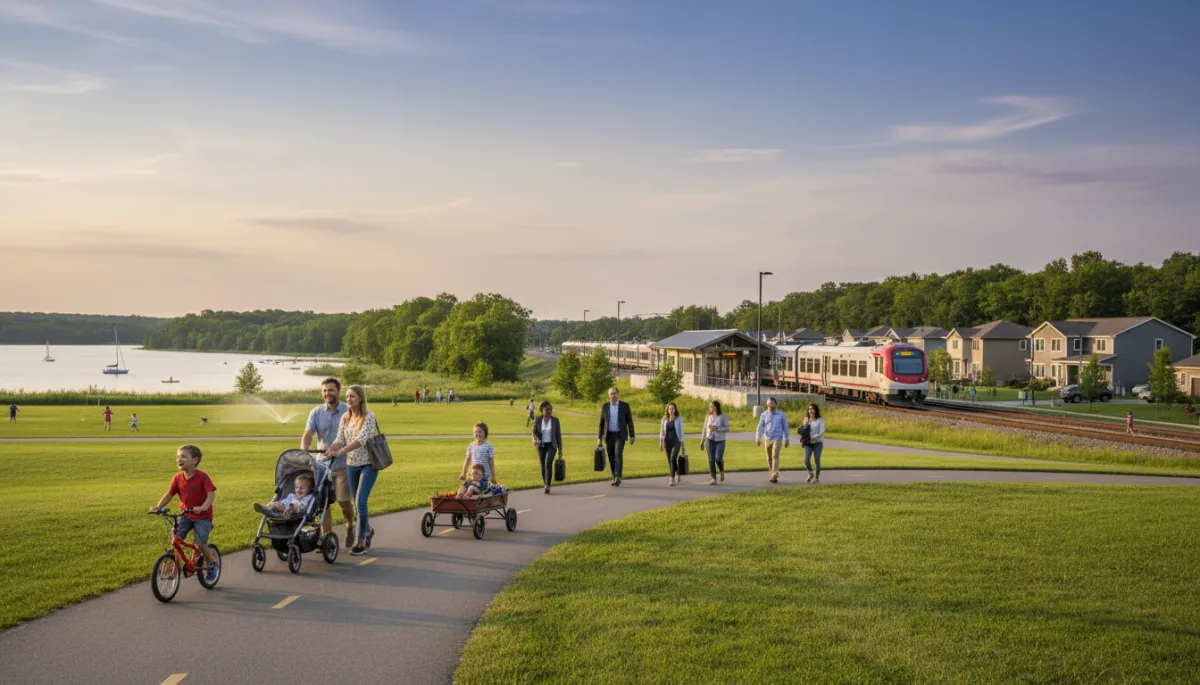
Trails and parks in Savage give families everyday access to the outdoors.
When evaluating whether Savage is a good place to live for your family, it helps to visit schools, talk with local parents, and explore district websites. Overall, the education options here are a strong part of the community’s appeal and contribute significantly to the area’s perceived quality of life.
Commuting from Savage: A Practical Commuter Town
For many residents, Savage, MN functions as a true commuter town. Its location near major roadways makes it realistic to work in Minneapolis, St. Paul, Bloomington, or other employment hubs around the metro while returning home to a quieter suburban setting each night. Understanding your commute is essential when deciding if living in Savage aligns with your lifestyle and schedule.
Highway access: Savage sits close to Highway 13 and Highway 169, with connections to I-35 and other major routes. This network provides fairly direct access north toward Bloomington and Minneapolis and east toward other Minnesota suburbs.
Typical drive times: Depending on traffic and exact starting point, commutes to downtown Minneapolis often run in the 30–45-minute range during peak hours, while trips to employment clusters in Burnsville or Bloomington can be significantly shorter.
Transit options: While Savage is primarily car-oriented, some residents combine driving with nearby park-and-ride lots and express bus service offered in neighboring communities for a more relaxed trip into the city.
💡 Pro Tip: If commuting is a priority, test-drive your route from Savage to your workplace during rush hour before you buy or sign a lease. It’s the best way to gauge real-world travel time.
While no suburb is immune to traffic, many residents feel the trade-off is worth it: slightly longer drive times in exchange for more space, calmer streets, and a family-focused environment at home. For people who work hybrid schedules or have flexible hours, Savage can be especially appealing as a commuter town, because you can avoid the worst of rush hour while still enjoying suburban living.
Parks, Recreation, and Everyday Quality of Life
Beyond schools and commute times, the overall quality of life in Savage is shaped by its parks, recreation programs, and local services. If you enjoy spending time outdoors, Savage offers a surprising amount of green space for a growing suburb. The city maintains numerous neighborhood parks, playgrounds, and athletic fields, as well as trail systems that connect different parts of town and link to nearby natural areas along the Minnesota River valley.
Parks and trails: Families take advantage of walking and biking paths, sledding hills in winter, and well-equipped playgrounds that become natural gathering spots for neighbors and kids.
Sports and activities: Youth sports leagues, community education classes, and seasonal events give children and adults plenty of ways to stay active and engaged throughout the year.
Local services: Grocery stores, coffee shops, restaurants, and everyday conveniences are readily available within Savage or in nearby communities like Prior Lake and Burnsville, so you rarely need to drive far for errands.
Winters can be long, as anywhere in Minnesota, but the city and local organizations work hard to provide year-round activities, from outdoor skating rinks to indoor recreation programs. For families who appreciate a four-season climate and want easy access to both nature and urban amenities, living in Savage can deliver a satisfying balance.
Cost of Living and Comparisons with Other Minnesota Suburbs
Another factor in deciding whether Savage, MN is a good place to live is the overall cost of living. Housing tends to be the biggest expense, and Savage generally sits in a middle range compared with other Twin Cities suburbs. It’s often more affordable than some of the older, highly sought inner-ring suburbs, yet more expensive than more distant or rural communities farther from the metro core.
Home prices and rents: Prices reflect the area’s popularity with families, but many buyers feel they get strong value in terms of home size, neighborhood quality, and proximity to schools and parks.
Everyday expenses: Groceries, utilities, and local services are generally in line with other Minnesota suburbs, without the premium pricing you might see in more urban neighborhoods.
Property taxes: As in most of the region, property taxes support schools, parks, and city services. It’s worth comparing tax rates and school district boundaries as you evaluate specific neighborhoods within Savage.
When you weigh housing costs against what you receive in terms of safety, schools, and amenities, many residents feel the quality of life in Savage justifies the investment. For families who want a modern home in a family-friendly community without paying the very highest suburban prices, Savage often lands on the shortlist.
So, Is Savage, MN a Good Place to Live for Families and Commuters?
Pulling it all together, Savage, MN checks many of the boxes that families and commuters look for when choosing a home in the Minnesota suburbs. Modern neighborhoods, respected schools, abundant parks, and convenient highway access combine to create a community that feels both livable and practical. While commute times can vary and winters require some resilience, the day-to-day experience of living in Savage tends to be positive for those who value space, safety, and a strong community feel.
For families, the family-friendly nature of Savage is evident in its playgrounds, youth programs, and school events that bring neighbors together. Children have room to play, explore, and form lasting friendships, while parents appreciate the sense of stability and connection. For commuters, Savage functions as a realistic home base, with straightforward access to major employment centers and the flexibility to enjoy suburban life without feeling cut off from the Twin Cities.
Ultimately, deciding whether Savage is the right fit comes down to your priorities. If you’re looking for a commuter town that offers a strong quality of life, family-focused amenities, and a comfortable suburban environment, living in Savage, MN is well worth serious consideration. Spend some time walking its trails, visiting local parks, and driving your potential commute. Those first-hand impressions will help you see how this Minnesota suburb might feel as your next home.